
Exile and Return
The work of coming home to ourselves

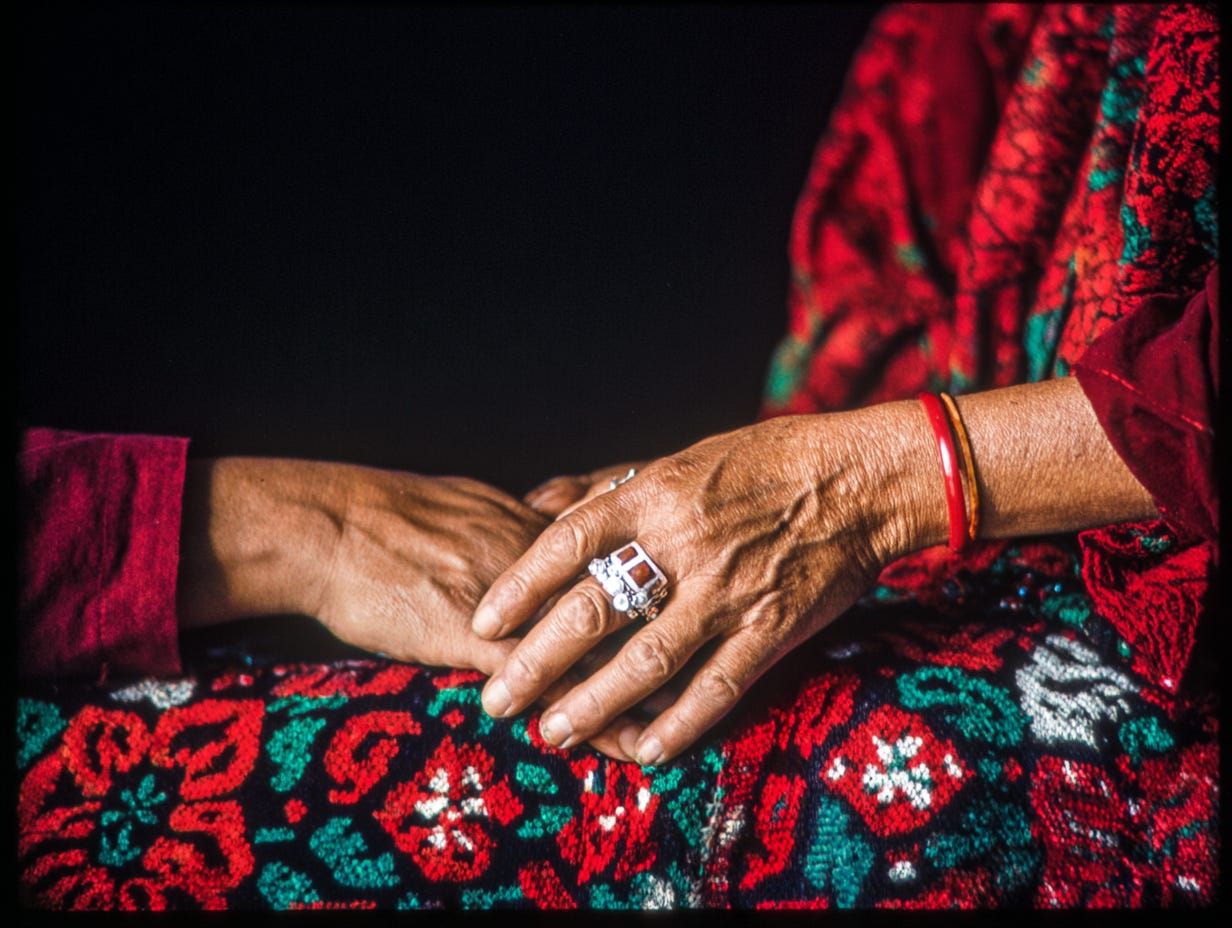
Many years ago, on the floor of an apartment on the Upper East Side, a Nahua curandera named Doña Leova beat the hell out of me.
I had come to her for what’s called a limpia. A cleansing. I did not know what to expect. The room smelled of copal. Her translator, a Sikh man named Roberto, sat nearby. Doña Leova looked me deep in my eyes, took my hands in hers, and said something to Roberto in Spanish. He nodded. She clapped her hands and motioned for me to lie down on the floor.
What followed was not gentle. She dug into my belly with the heels of her palms like she was looking for loose pesos between couch cushions. She cracked my bones. She smacked me with bundles of dried herbs. She spat alcohol on my chest. At one point I thought I might vomit. At another I thought I might cry. Then I cried. She kept going. She seemed entirely unconcerned with whether I was comfortable.
And then she stopped.
She placed her hands on my navel, leaned in close, and began to pray. Sweet, gentle Spanish words fell from her lips. The intensity of the previous twenty minutes rearranged itself into stillness. My body, having been thoroughly disrupted, opened.
After the session she said one word: Susto.
I did not know the word then. I have come to know it well since.
In the Nahua tradition, a susto is what happens when something frightens or wounds us so completely that part of our soul becomes dislodged from the body. The shock does not always announce itself in the moment. Sometimes it arrives years later, in a posture that will not loosen, in a sleep that will not come, in a relationship that struggles to find its footing.
The treatment is not analysis. It is not insight. It is physical, ceremonial, embodied. The curandera works with herbs, prayer, smoke, breath, and touch to call the displaced soul back into the body. The patient does not have to understand what happened in order to be returned to themselves. They only have to be willing to let themselves be moved.
The body remembers what the mind has agreed to forget.
Our unmetabolized experiences live within us. They show up in the job we cannot quite stay in. The person we keep avoiding. The conversation that triggers something disproportionate. Sometimes our bodies ache in places no scan can find. None of this is abnormal. Life can be hard. Instead, consider these findings new data. Information on your path to healing. The Nahua tradition would say that when we experience trauma, some part of us goes elsewhere to feel safe. The work of healing ourselves is the work of calling it back.
In this way, most healing begins not with transcendence, but with return.
This summer, on the longest day of the year, I am co-leading a weekend at Esalen with my dear friend Margaret Harrsen, called Natural Healing: A Spiritual Journey of Return. The summer solstice is the day with the most light available to us. The question that day asks, if we are willing to listen, is whether we are open to receiving it.
Sometimes we’re not. We are too full of what we have not let go. Light that arrives in a body holding too much susto has nowhere to go. It bounces off, or it illuminates the places we have been working hardest to keep in shadow. The work of preparing to hold the light is the same work Doña Leova was doing on that floor in the Upper East Side. It is the work of clearing what is locked in, so that what has been waiting to come back can find its way home.
Margaret and I are not passing along a tradition that is not ours to give. We are sharing what our teachers have given us, with respect for the lineages they trusted us with.
In the program I will offer a lesson on connecting to what I call the Point of Origin: the navel, treated in Nahua cosmology as the center of the body, where Doña Leova's hands rested at the end of my session. We will work with barridas, the sweeping of the body with bundles of plants and herbs gathered from the land around Esalen. We will experience a limpia con huevo, the use of an egg to clear and divine what we have been carrying. We will spend time in empathic connection, the practice of listening for what someone else is holding and being witnessed in turn. We will end each evening with moon meditation and bathing in flowers and herbs from the Esalen grounds.
Doña Leova’s hands on my navel were a question disguised as a treatment. How do you drop a heavy suitcase? she said. You just let go. Let go, my son.
I said yes that day. I have been learning to say yes ever since. Because letting go is the only way the body makes room for what it has been waiting for.
What are you holding, and what are you ready to release?
How do you drop a heavy suitcase?
Take good care,
MV
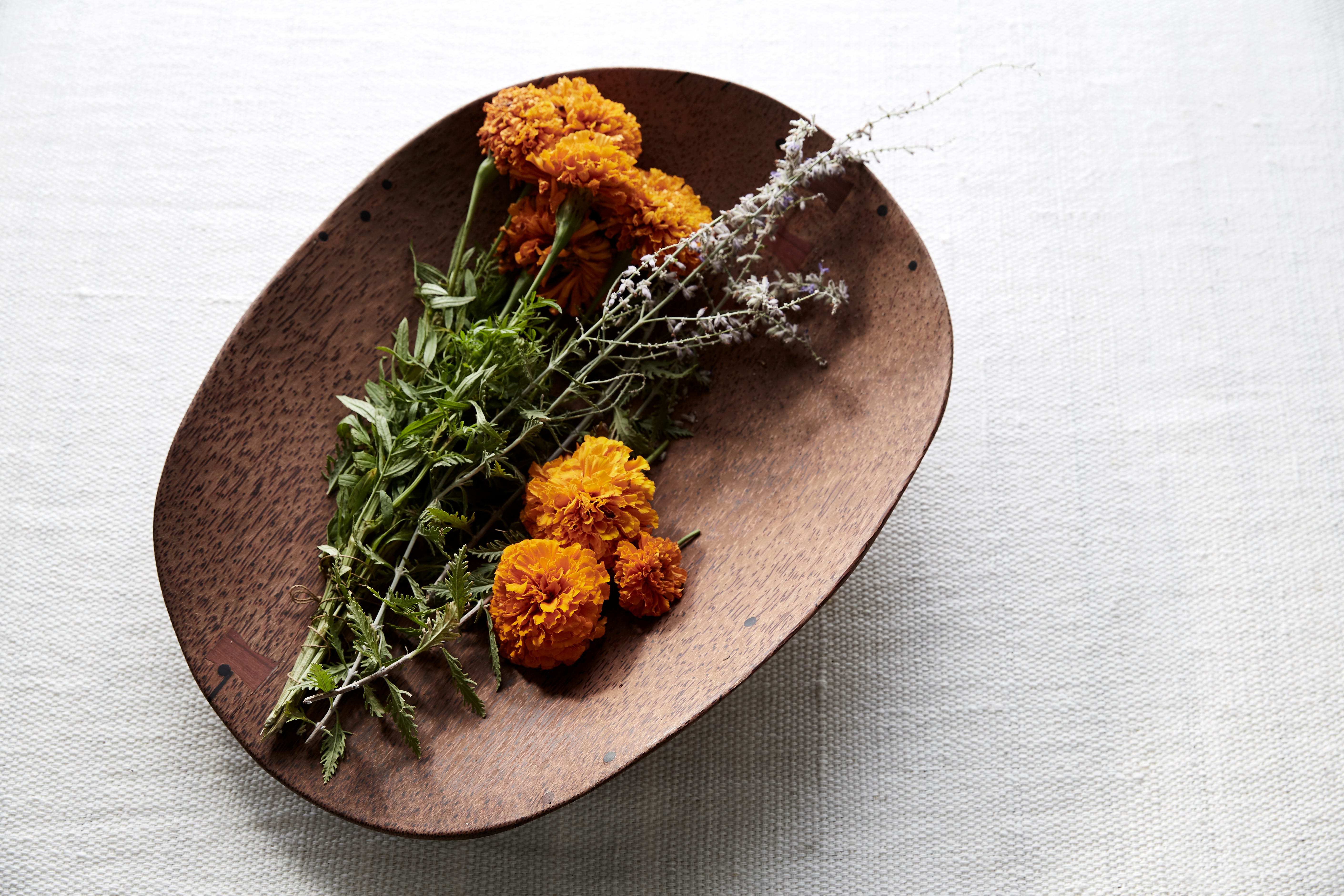
Let’s find our way home: Natural Healing: A Spiritual Journey of Return, June 19–21, 2026 at Esalen Institute.